Oil Paintings by Natan Shalva
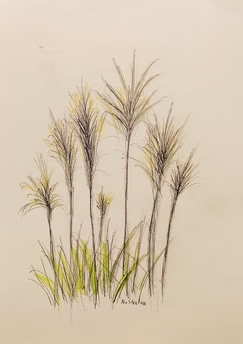
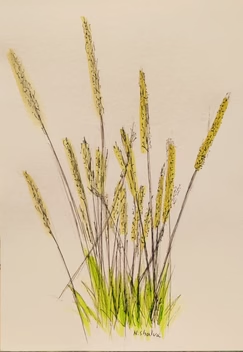
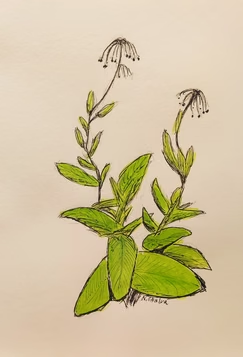
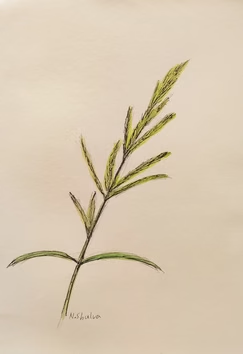
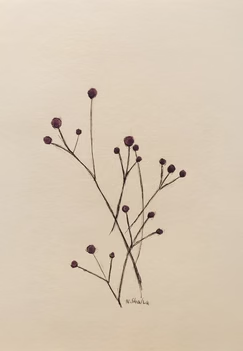
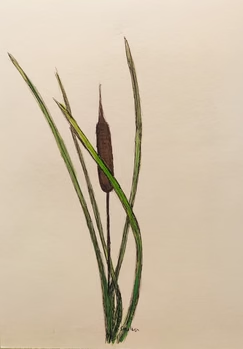
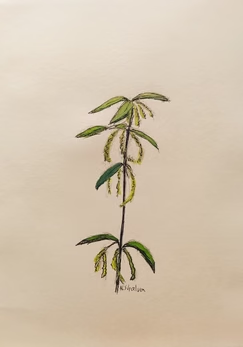
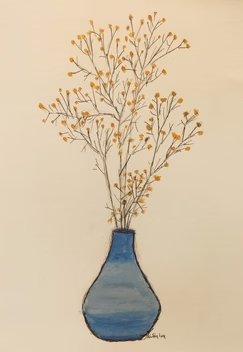
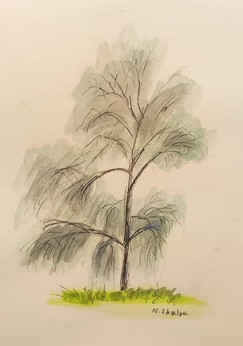
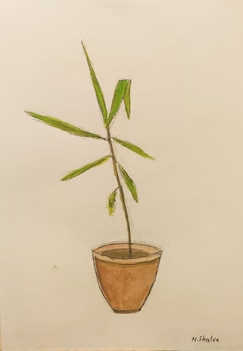
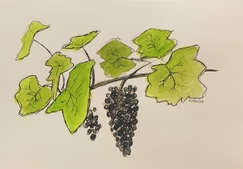
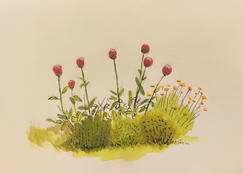
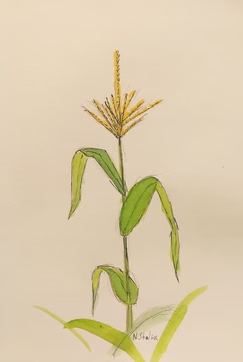
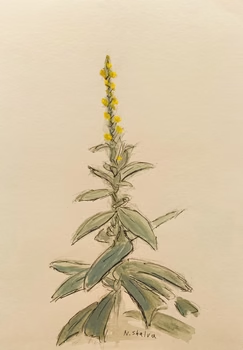
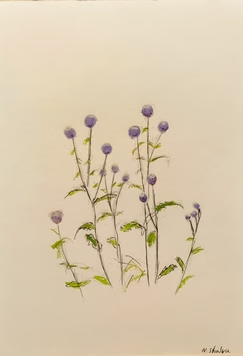
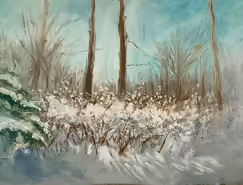
Snow on the plants
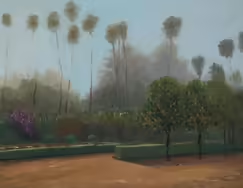
Palmen in Sevilla
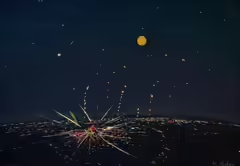
The 2009 Fusion Festival as I remember it from the hill at night
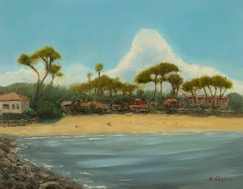
The French Riviera
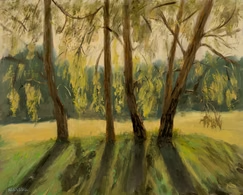
Strong sun behind the trees
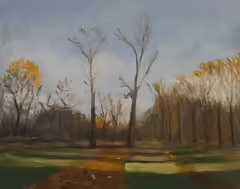
There is some sun in winter
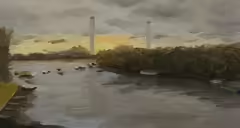
The sunset from the bridge in the park. Berlin 2019
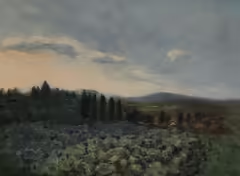
Tuscany at the end of the day
4230
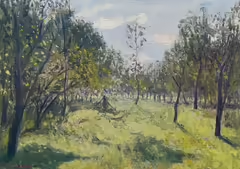
The cows grazing in the nature reserve
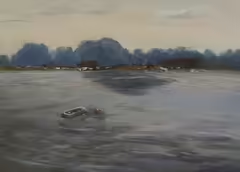
A small boat on the river
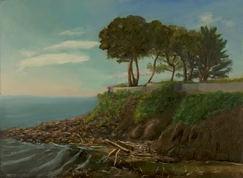
The pines by the sea on the French Riviera
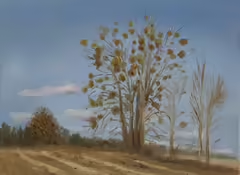
The tree in the field near the RS26 station
3269
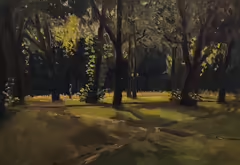
Afternoon sun
4239
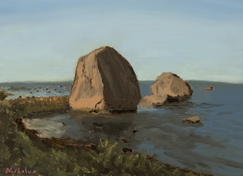
The roke form the ice age
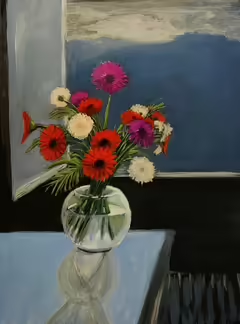
The flowers in a round jar that you love
3572
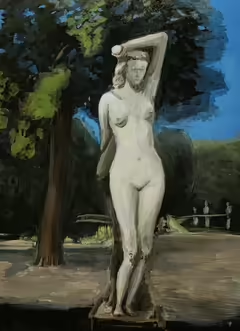
Statue of Eve at the Berlin Zoo
5720
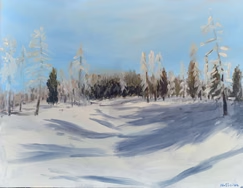
The snow in the mountains
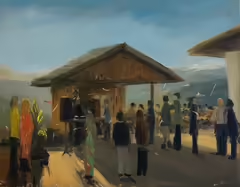
The party in the mountains
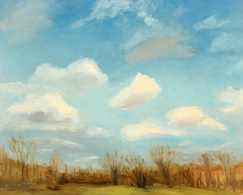
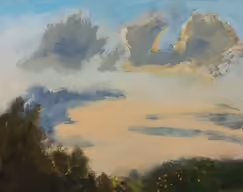
Clouds in winter
3527
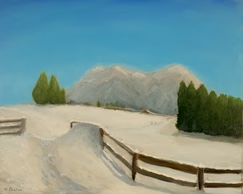
The Snow Walkers
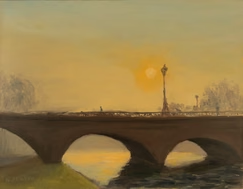
The old bridge near the central station
4230
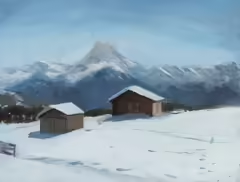
The cabin on the mountain
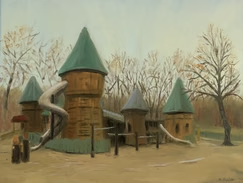
Magic Playground in Rudolph-Wilde-Park, Berlin
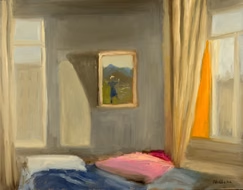
Our bedroom, with the painting: you on the mountain, in a pose of victory.
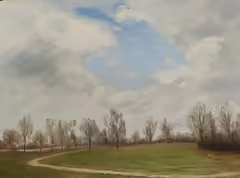
There is a blue sky between the clouds
3721
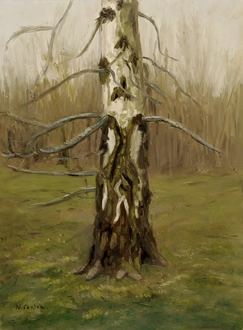
The trunk of the Birch
4210
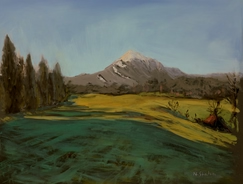
The mountain from Verena's childhood home
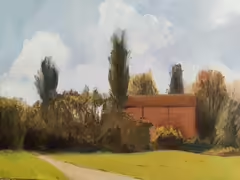
The cypresses near the old house
3423
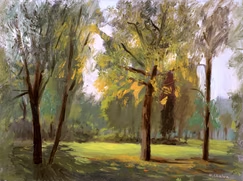
The light among the trees
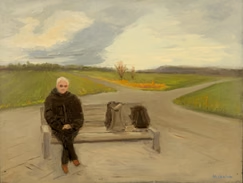
Naf
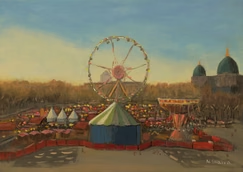
The circus in the city
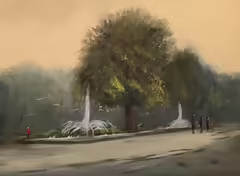
Sunset at the zoo
3500
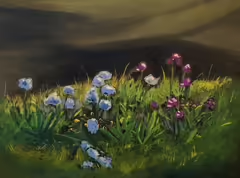
The irises by the small garden pool
370
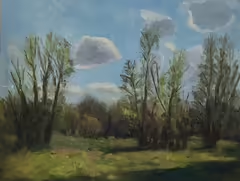
The grazing of the wild cows
3500
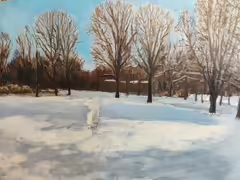
The old snowman in the park
3500
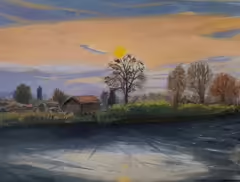
Orange sunset among the clouds on a very cold winter day
312
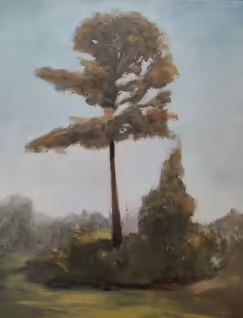
They haven't killed all the trees yet
3890
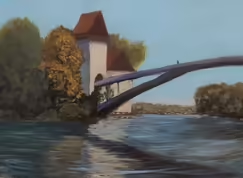
The bridge to the island in Treptower Park
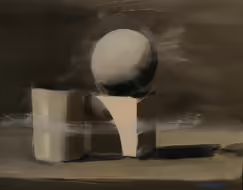
I saw the atoms spinning around
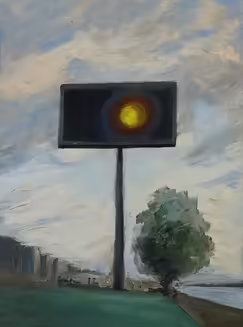
Berlin - It's so ugly and so beautiful at the same time
450
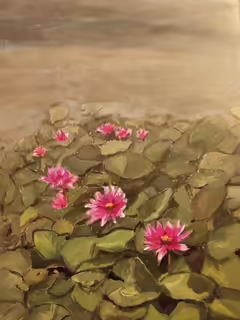
Lilies like Monet painted
520
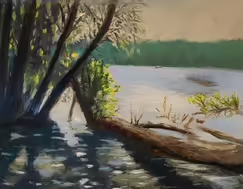
The big tree that fell into the lake
327
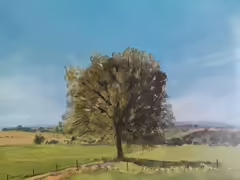
The large tree that survived among the farmers' fields
312
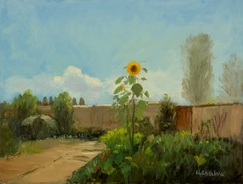
The sunflower
Morning in the park
7232
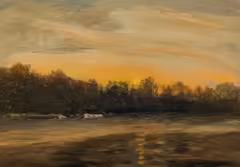
The most beautiful sunrise ever seen on earth
1
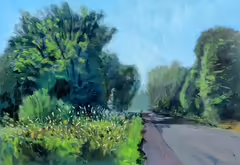
Summer
4100
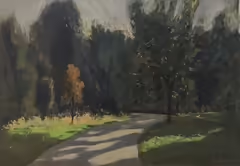
Morning
4200
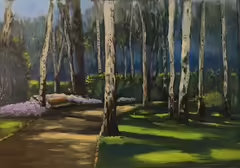
The trees with the white trunk
4200
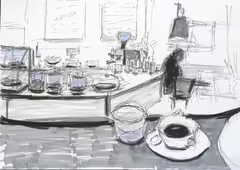
Gorilla at the cafe
10
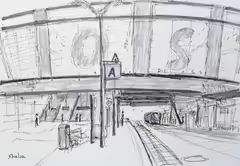
Southern Railway Station
10
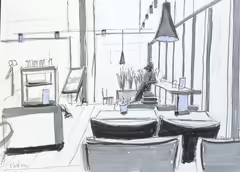
Suddenly walked into the cafe of the DIY store A man with a strange bird's head.
10
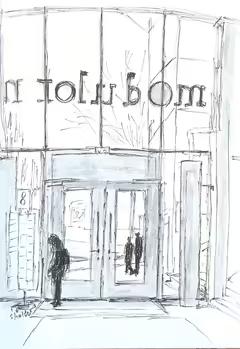
The art supply store
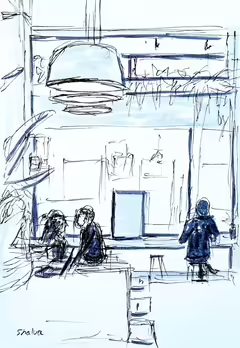
True love and kisses in my cafe place
10
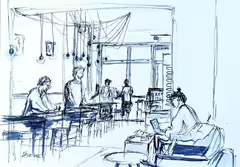
Trying to survive the morning
10
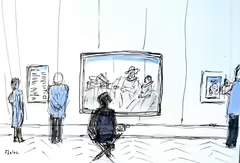
In the museum
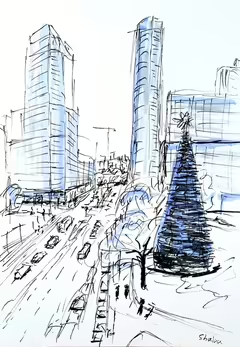
Window view of the city in winter from the mall
10
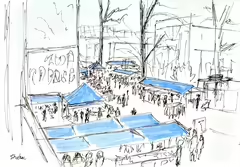
The market of the beautiful young people on cold Sunday
10
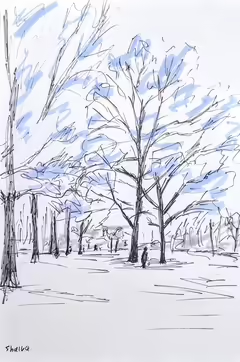
The most beautiful woman in Europe goes for a walk in the Tiergarten park
10
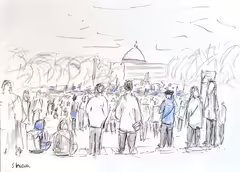
At the demo for free Palestine
10
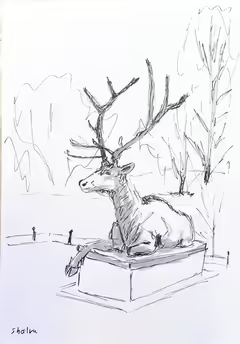
The deer
10
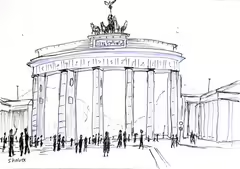
Brandenburg Gate, Pariser Platz, Berlin
10
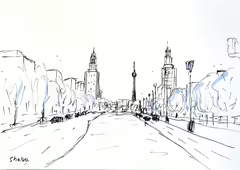
Frankfuter tor. Berlin
10
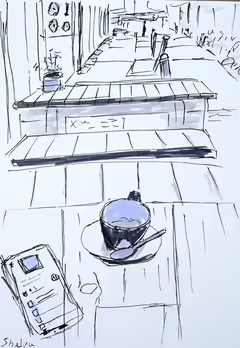
One day, we will have to withdraw from caffeine too
10
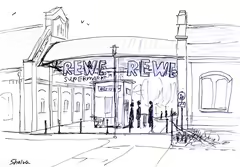
Rewe
10
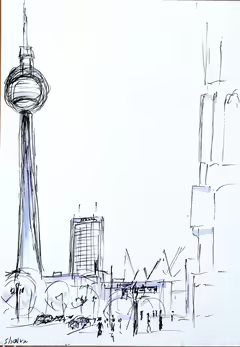
Ours is bigger!
10
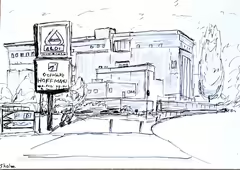
The Berghain
10
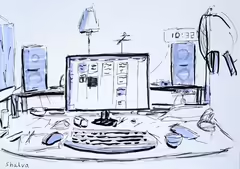
My rabbit hole
10
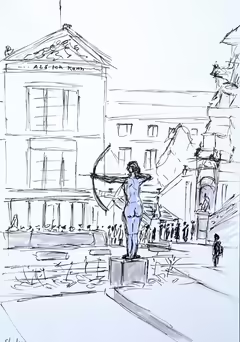
The queue to the Alte Nationalgalerie
10
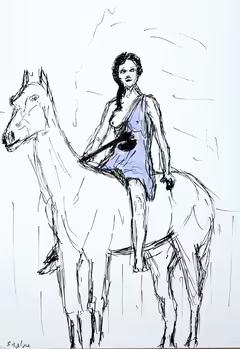
Here she is riding on horse
10
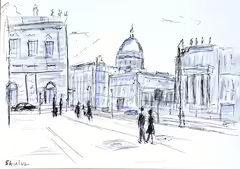
People walking on Friedrichstadt street, Berlin
10
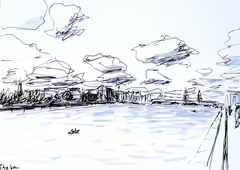
The Spree river, Berlin
10
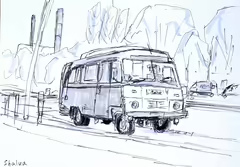
My dream van
10
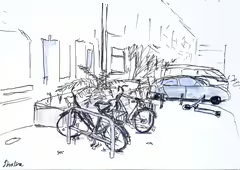
Bicycles on Simon-Dach-Straße
10
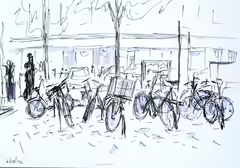
The view from Monti caffe
10
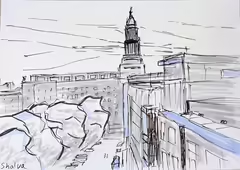
The view form our kitchen
10
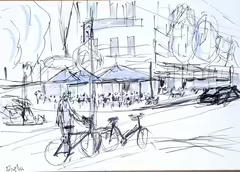
They sit in coffee shops
10
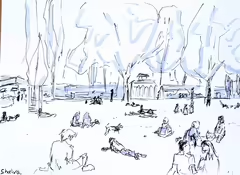
Boxhagener Platz on sunny day
10
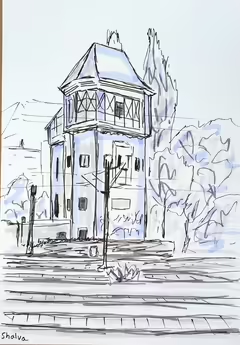
The tall house near the train
10
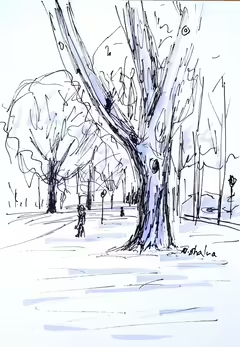
Tree in the park
10
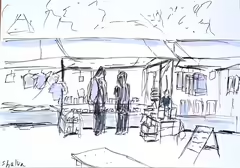
View from where we drink Chai
10
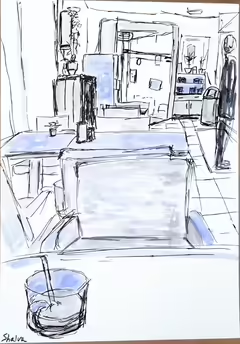
I can't be blamed for not searching a good cafe in Berlin
10
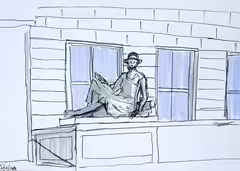
How can I help you?
10
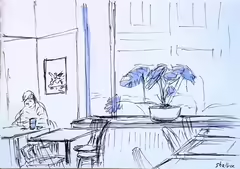
Kaferdam
10
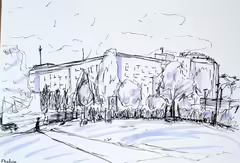
The Berghain nightclub
10
<h3 class="mt-5">Natan Shalva - From this angle, it looks really beautiful.</h3><p class="mt-5"></p><p></p><img class="float-end d-inline ps-4" src="/pi/213_vu57kpn.avif" ><p>Injustice, wrongdoing, violence, and evil can be found easily—in fact, almost everywhere we look. Shalva wants nothing more than the opposite; in his paintings, he seeks beauty, joy, and happiness. It is a complex task, and he is the first to admit that he does not know how to achieve it. But he tries, and the paintings on display are his best attempts.</p><p>Painting nature from observation is his greatest love. Almost all of his paintings begin with an attempt to capture a sight that he thinks would be pleasant to keep in mind. The paintings are done with oil paint directly on the spot (plein-air painting). He will try to improve some of them later in the studio.</p><p>If he is very satisfied with a painting, he tries to enlarge it. But naturally, it is never exactly the same painting—it takes on a life of its own.</p><p><strong>Autobiography:</strong></p><p>Born and raised in a Zionist-socialist kibbutz in northern Palestine, he later left the commune, Zionism, and Judaism—but not his socialist values.</p><p>He acquired his education in the art of painting under the classical painter Micha Set.</p><p>Following the rise of the nationalist fascists, the Shalva family, which had taken an active part in the resistance to Zionist apartheid, was forced to emigrate. They returned to the original place of residence of the family's grandparents - Berlin. The Berlin spirit of freedom, tolerance, and social solidarity contributed significantly to the increasing role of painting in his life, and he lives and works there to this day.</p><hr><img src="/painting/show/102_g2tlgdgksf.avif" style="width: 100%; max-width: 750px" alt="Summer - painting by Natan Shalva"><p>Summer</p><p class="pt-5">And so,<br>it took me<br>sixty whole years<br>until I understood,<br>that water is the best of drinks,<br>and that bread is the tastiest of foods,<br>and that no art has any real value <br>unless it instills a little happiness<br>into the human heart.</p><p>By <strong>Taha Muhammad Ali</strong></p>